buying guides
Cast Iron vs Aluminum Benchtop Jointer Tables
Cast iron and aluminum are useful construction details, but neither label by itself guarantees an accurately set jointer. The buying question is how the complete table, support and adjustment system fits your work and maintenance preferences. Compare actual models rather than turning a material preference into a universal ranking of everything made from it.
As an Amazon Associate I earn from qualifying purchases. “Check Amazon” links are affiliate links.
A relevant product to inspect
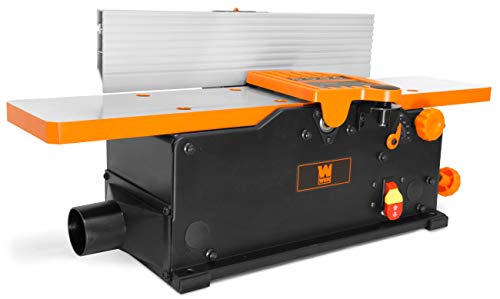
Check exact model, included equipment and current seller details.
Check AmazonSeparate material from geometry
A reference surface must be suitable in shape and relationship to the other parts of the machine. Reading cast iron in a listing does not prove that relationship on the delivered unit. Reading aluminum does not prove that the table is inaccurate.
Inspect the applicable adjustment method and what the manufacturer expects the owner to check. The useful purchase combines appropriate construction with a setup you can verify. Treat material as one characteristic in that decision, not as a replacement for commissioning the machine.
Look at the structure underneath
A tabletop is supported by the rest of the assembly. Compare the mounting, adjustment and support design visible in the documentation, rather than judging only the upper surface in a product photograph. Avoid making a rigidity claim that has not been measured.
The same principle applies to your workbench. A substantial table placed on an unsuitable base does not create a good installation. Consider how the machine will be secured and how its controls and service points remain accessible after mounting.
Think about handling and storage
If the machine is moved regularly, total weight and the approved lifting method matter. A preference for heavier construction should be reconciled with the actual route between storage and the working position. Benchtop does not mean effortless carrying for every owner.
A dedicated station can change the decision. When the machine remains installed, frequent lifting matters less. When every session begins with moving it from a low shelf, handling may become one of the most important ownership factors.
Check the complete product offer
Affiliate link. Confirm the version, specifications and included accessories before purchase.
Check AmazonRead the surface-care instructions
Use the machine maker’s care guidance for the exact surface and coating. A cleaning or abrasive method suitable for one table may be inappropriate for another. Do not assume that a generic restoration tutorial applies to a coated surface or a different model.
For a used purchase, distinguish superficial dirt or discoloration from a problem with the reference surface or support. If the condition is uncertain, obtain a competent assessment instead of expecting aggressive cleanup to restore geometry that has not been measured.
Compare concrete models and revisions
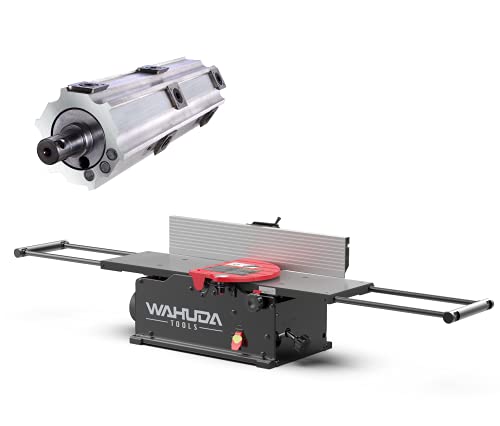
Cutech 40180HI and Wahuda’s eight-inch model provide documented examples of cast iron tables. RIKON separately markets the 20-600HSP with coated aluminum tables; keep that suffix distinct from related models when researching the option.
Those descriptions identify construction, not comparative test results. Confirm the precise offer and current revision before transferring details from a review. If the seller’s material description conflicts with the maker’s documentation, resolve it before using that difference to justify a purchase.
Choose from the whole installation
Create a short list that already meets the necessary cutting width and stock restrictions. Then compare table construction alongside adjustment access, approved care, handling and complete setup cost. That order prevents a favorite material from drawing you toward a machine that does not suit the job.
Before paying more for a table material, name the benefit you expect and the evidence for it on the particular model. Material alone cannot correct fence setup, poor technique or awkward long-stock handling. If cast iron or coated aluminum is mainly a personal preference after both machines meet the work requirements, that is a reasonable deciding factor; keep the price difference within the budget for the rest of the installation.
Questions, answered
Are cast iron jointer tables always more accurate?
No. Material alone does not establish the delivered geometry or alignment of the machine. Verify the setup using its instructions.
Are aluminum tables unsuitable for woodworking?
No such general conclusion follows from the material. Evaluate the actual machine, surface condition and support arrangement.
Can I use the same cleaner on every table?
Follow the maker’s guidance for the specific surface and coating. Avoid assuming an abrasive or solvent suitable elsewhere is appropriate for your model.