troubleshooting
Why Are My Jointed Edges Not Square?
An edge can be straight along its length yet fail to meet the face at ninety degrees. Diagnose that relationship separately from flatness and snipe. Begin with a dependable square and an identified reference face before assuming the fence needs adjustment.
As an Amazon Associate I earn from qualifying purchases. “Check Amazon” links are affiliate links.
A relevant product to inspect
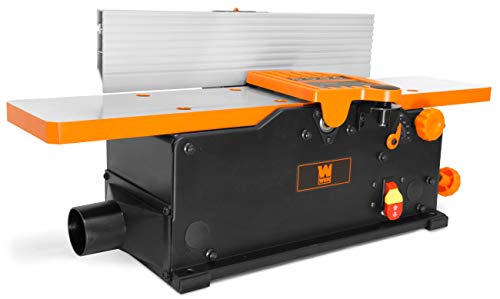
Check exact model, included equipment and current seller details.
Check AmazonCheck the measuring tool first
A questionable square can make a correct edge appear wrong. Verify the tool using an appropriate independent method and inspect it for dirt or damage. Take measurements on the workpiece away from the machine, using the same reference face at each location. Record whether the error is consistent along the edge or changes from one end to the other. Those patterns matter more than an estimate that the edge is slightly off.
Confirm the reference face
The fence can only register against the surface presented to it. If that face is twisted or uneven, a correctly set fence cannot make the intended relationship dependable. Inspect the face with suitable tools and confirm that it is the surface you meant to use. Marking the reference is particularly useful in a batch. Without a mark, an accidental flip can make two consecutive parts look like evidence that the fence moved when the actual reference changed.
Measure the fence after locking
Use the exact manual's fence-setting procedure with the machine disconnected. Check the required angle in the locked operating condition rather than relying on the scale or an unlocked setting. WEN's manual describes fence adjustment and locking as part of setup. Keep that model-specific sequence separate from advice for other bracket designs. If locking changes the measured angle or the fence does not remain secure, investigate the condition instead of compensating with hand pressure during cutting.
Check the complete product offer
Affiliate link. Confirm the version, specifications and included accessories before purchase.
Check AmazonLook for consistency across the workpiece
Record the face-to-edge angle at several positions. A similar error throughout the length calls for different checks from an angle that varies along it; changing results may involve the reference face, stock control or an insecure component. Keep any existing measurements from other suitable parts for comparison and technical support. Avoid several simultaneous adjustments that obscure which change affected the result. If the evidence points to the fence, follow the disconnected fence-alignment checks for the exact model.
Do not use glue-up pressure as a diagnosis
A clamp can make a gap appear smaller without explaining why it exists. Inspect the prepared parts individually before treating assembly pressure as the solution. For a precision joint, understand whether the mating edges are straight, whether their angles suit the design and whether the reference faces are appropriate. The required tolerance depends on the project, but it should be a deliberate decision. Forcing a fit can conceal an error until later machining or finishing makes it visible again.
Recheck after correction
After the machine is properly restored and ready for operation, assess suitable stock using the prescribed procedure. Verify the edge at several positions, not only where the square happens to fit conveniently. Retain your reference markings through the rest of the project. If the problem returns after transport or storage, include the fence and mounting condition in the next setup inspection. A portable machine benefits from a repeatable check, even when the last session ended with acceptable results.
Questions, answered
Is the fence scale accurate enough?
Use it as directed by the manual, but verify the intended angle with a dependable measuring tool in the locked operating condition.
Can a twisted face cause an unsquare edge?
An unreliable reference face can undermine the relationship established at the fence. Inspect and identify the intended reference before changing the fence setting.
Should I tilt the fence to cancel the error?
Do not compensate blindly. Identify whether the error comes from measurement, reference quality, setup or control, then use the manufacturer's adjustment procedure.