troubleshooting
Benchtop Jointer Tearout: What Should You Check?
Tearout is a loss of material below the intended surface, often visible as chipped or torn areas. It is not the same as a raised line or a slightly fuzzy surface. Identify the pattern first, because the location and repetition can tell you which questions to investigate.
As an Amazon Associate I earn from qualifying purchases. “Check Amazon” links are affiliate links.
A relevant product to inspect
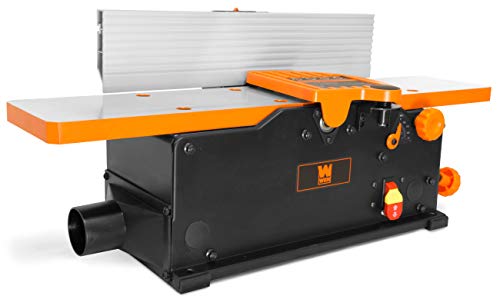
Check exact model, included equipment and current seller details.
Check AmazonDescribe the defect before another pass
Inspect the affected surface off the machine and mark where the damage appears. Does it follow a grain change, occur around a defect, or cover the whole cut? Photograph the piece in light that makes the depth visible. Keep a note of the operation and stock orientation. Another pass can erase evidence while consuming the thickness you need, so do not automatically try to cut the defect away before understanding why it happened.
Separate material from machine problems
A single difficult board and the same defect across several suitable boards suggest different starting points. Inspect the lumber's condition and determine whether it is permitted stock for the machine. Loose knots, contamination or unstable defects are not solved by a cutter upgrade. If the wood is unsuitable, select another blank. If the issue appears across otherwise suitable material, investigate the machine and process according to the manual before committing additional project parts.
Review the approved cutting process
Check stock orientation, depth and handling against the model's instructions. Avoid taking an internet setting from a different machine and treating it as a universal cure. A cut that removes more material is not necessarily progress when it creates deeper damage. The Grizzly manual lists several possible contributors to poor surfaces, which is a useful reminder that the symptom does not identify one cause by itself. Work through relevant possibilities rather than changing everything simultaneously.
Check the complete product offer
Affiliate link. Confirm the version, specifications and included accessories before purchase.
Check AmazonInspect cutters with power disconnected
After shutdown and complete stoppage, disconnect the machine before any permitted cutter inspection. Consult the exact service procedure and replacement parts information. Do not run a finger along an edge to judge sharpness or reach into a powered machine for a closer look. A visible damaged edge, loose component or uncertain installation warrants correction through the approved procedure before operation resumes. If you are unsure how to inspect it safely, use manufacturer support or qualified service.
Preserve the remaining allowance
Measure how much material the damaged area would require you to remove and compare it with the final part dimensions. A reference surface may still be useful for later processing, or the blank may no longer contain the intended part. Make that decision explicitly. Repeatedly jointing a board until it looks better can produce a clean piece that is too thin. An alternative suitable finishing method may sometimes address the surface without continuing the same unsuccessful process.
Use the result to guide the next purchase
Recurring difficult grain is a reason to compare cutter designs, approved replacement parts and the rest of your machining process before purchasing another machine. The words spiral and helical do not guarantee a flawless surface. Check the replacement-cutter compatibility questions and consider the maintenance you can perform. If damage is occasional and confined to unsuitable stock, selecting a different blank may solve more than replacing a serviceable jointer.
Questions, answered
Will carbide inserts eliminate tearout?
No cutter material guarantees a perfect result in every board. Stock suitability, grain, setup and the approved cutting process remain relevant.
Should I immediately cut deeper to remove the damage?
No. Identify the cause and remaining material allowance first. A more aggressive cut may create further damage or leave the part undersized.
Is a long raised ridge tearout?
Usually that is a different surface pattern and deserves a separate diagnosis. Describe whether material is missing or standing proud and whether the mark repeats in one track.